Studies in Human Illumination
Portrait Cycle, 2002–2003
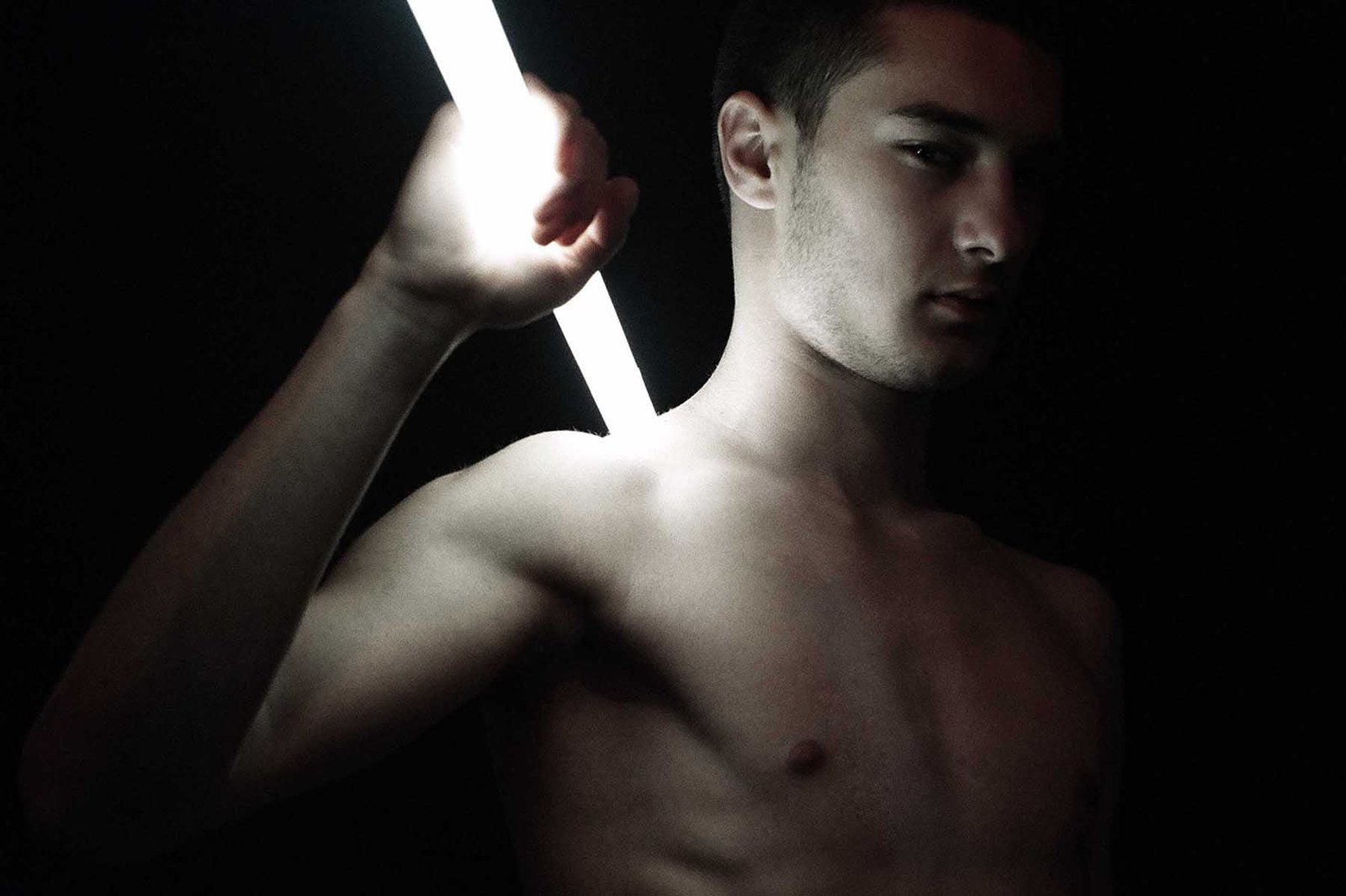
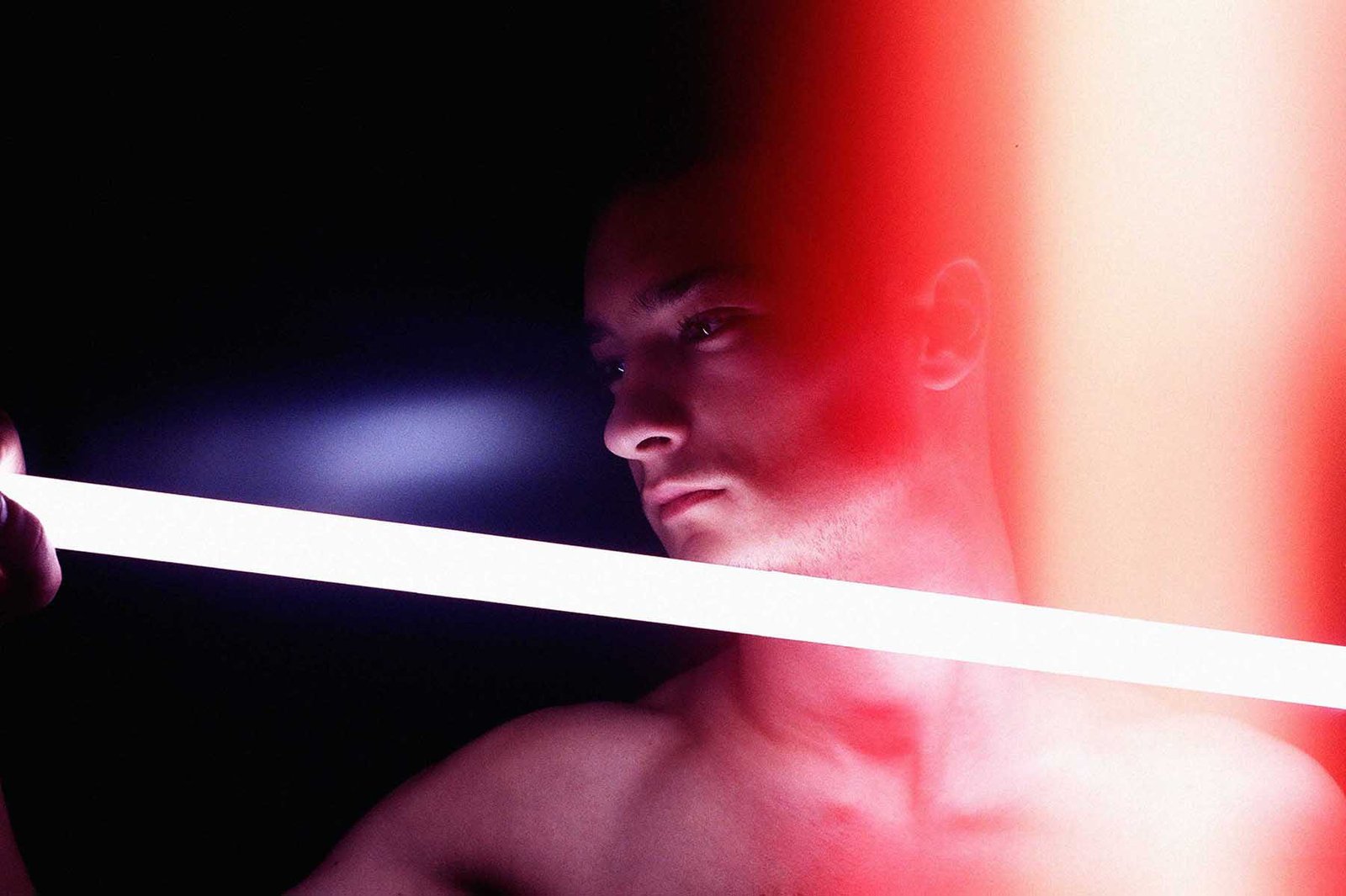
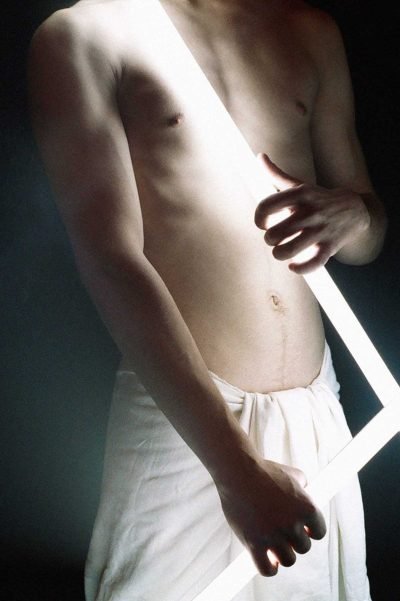
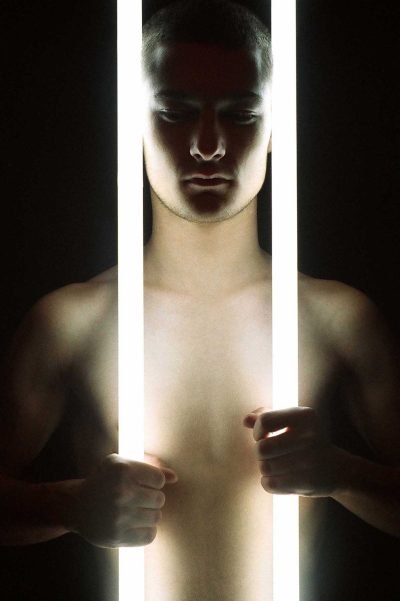
The Consequence of Light examines illumination not as a neutral condition, but as an active force that shapes, exposes, and alters the human body. Across this series, light functions as both subject and agent—pressing against skin, carving form, and imposing clarity that cannot be refused.
Rather than treating light as a symbolic metaphor, the works approach illumination as a physical and psychological presence. The body does not merely receive light; it negotiates with it. Each image records a moment in which visibility becomes consequential, where revelation produces weight, memory, and transformation. Light, here, is neither decorative nor redemptive—it is a condition that defines limits.
The portraits operate within a restrained visual language, emphasizing contrast, containment, and proximity. Figures are isolated within darkness, not to dramatize absence, but to measure the precise threshold at which illumination begins to act upon identity. The resulting images occupy a space between exposure and resistance, where the act of being seen carries irreversible implications.
Within the broader Portrait Cycle, The Consequence of Light marks a shift toward structural inquiry. It is less concerned with character or narrative than with the mechanics of perception itself—how light establishes power, how it frames understanding, and how it leaves traces long after its source is withdrawn.