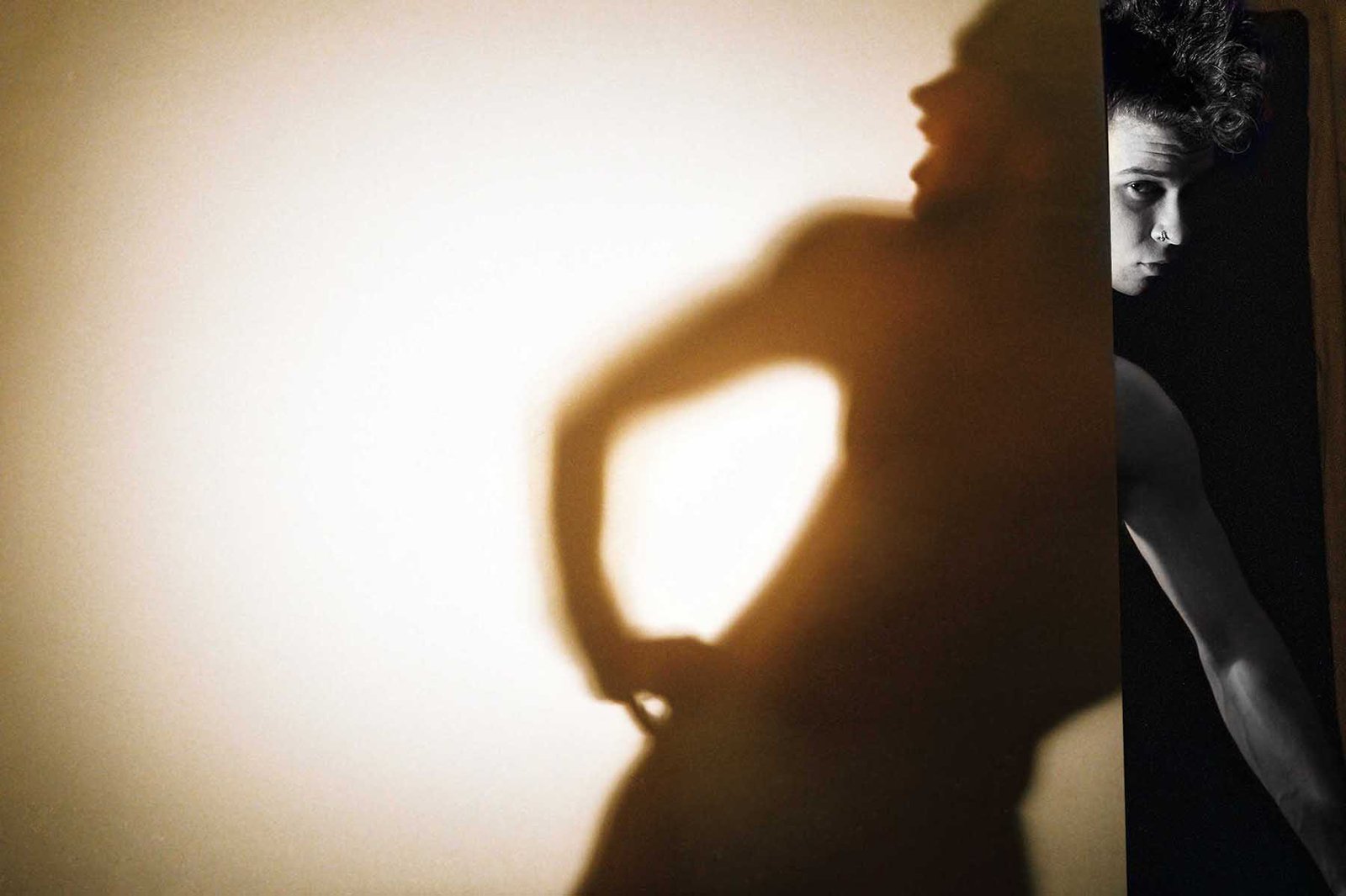
Shadows of the Unseen Self
portrait cycle 2004–2005
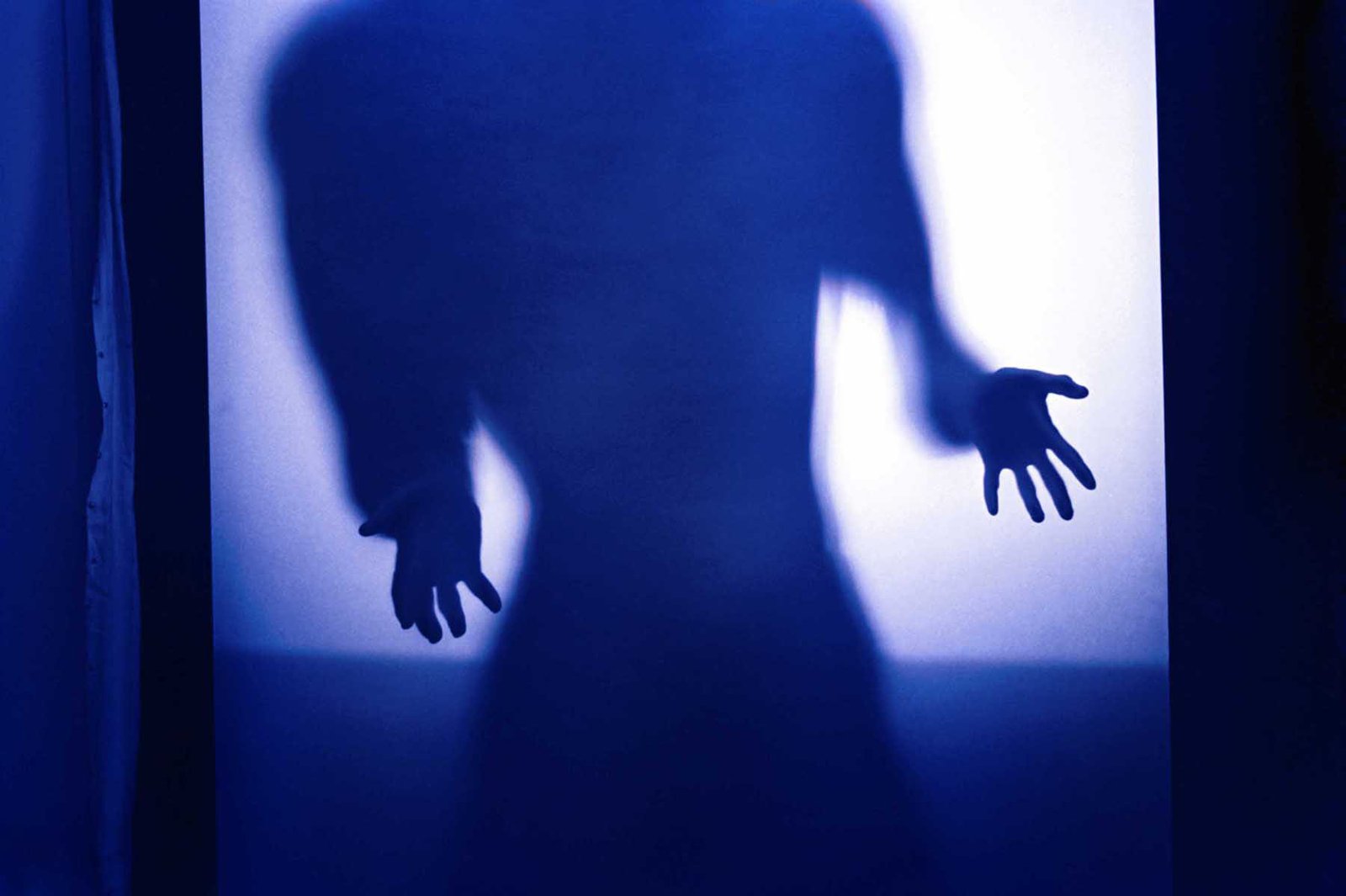
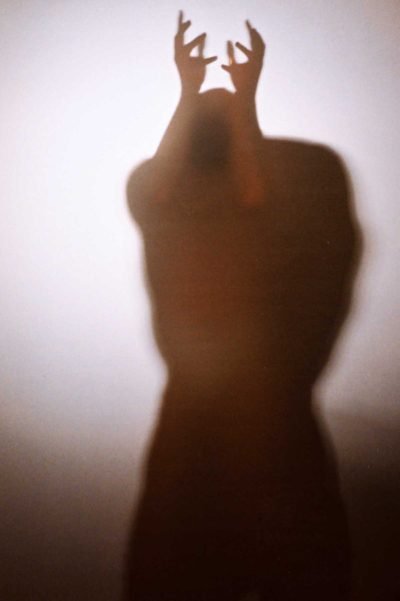
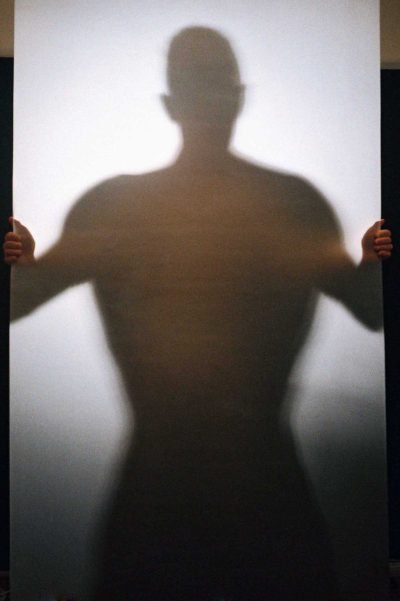
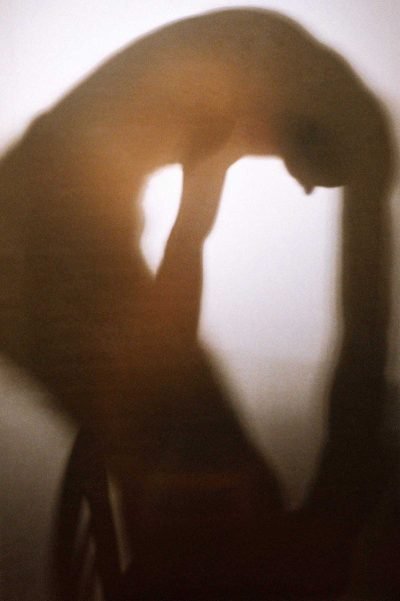
The Hidden Surface: Shadows of the Unseen Self examines identity not as appearance, but as projection. Across this series, the human body is reduced to silhouette, shadow, and partial trace—forms that emerge only when light meets resistance. What is revealed is never the body itself, but the pressure of something internal pushing outward.
These photographs do not document gesture or portraiture in the classical sense. Instead, they register moments where the unseen self asserts its presence through distortion, opacity, and absence. The shadow becomes a confessional space: a surface where instinct, desire, and internal conflict are permitted to speak without language or narrative.
By working at the threshold between visibility and concealment, the series treats light not as illumination but as interrogation. Each image asks what remains when the body withdraws from representation—when identity is no longer performed, but involuntarily exposed. The result is a study of the self as something fragmented, animal, resistant, and unresolved.