LightDark

ACT I — EMERGENCE establishes the foundational condition of the MILIUS collection: form at the moment of rupture. This chapter investigates the instant in which structure appears not as resolution, but as fragmentation—where measure is broken, scale destabilized, and the body is reduced to partial signs. Materials are treated as autonomous agents rather than decorative surfaces, allowing finish, weight, and reflection to articulate tension between control and instability. EMERGENCE functions as the generative field from which all subsequent acts unfold.

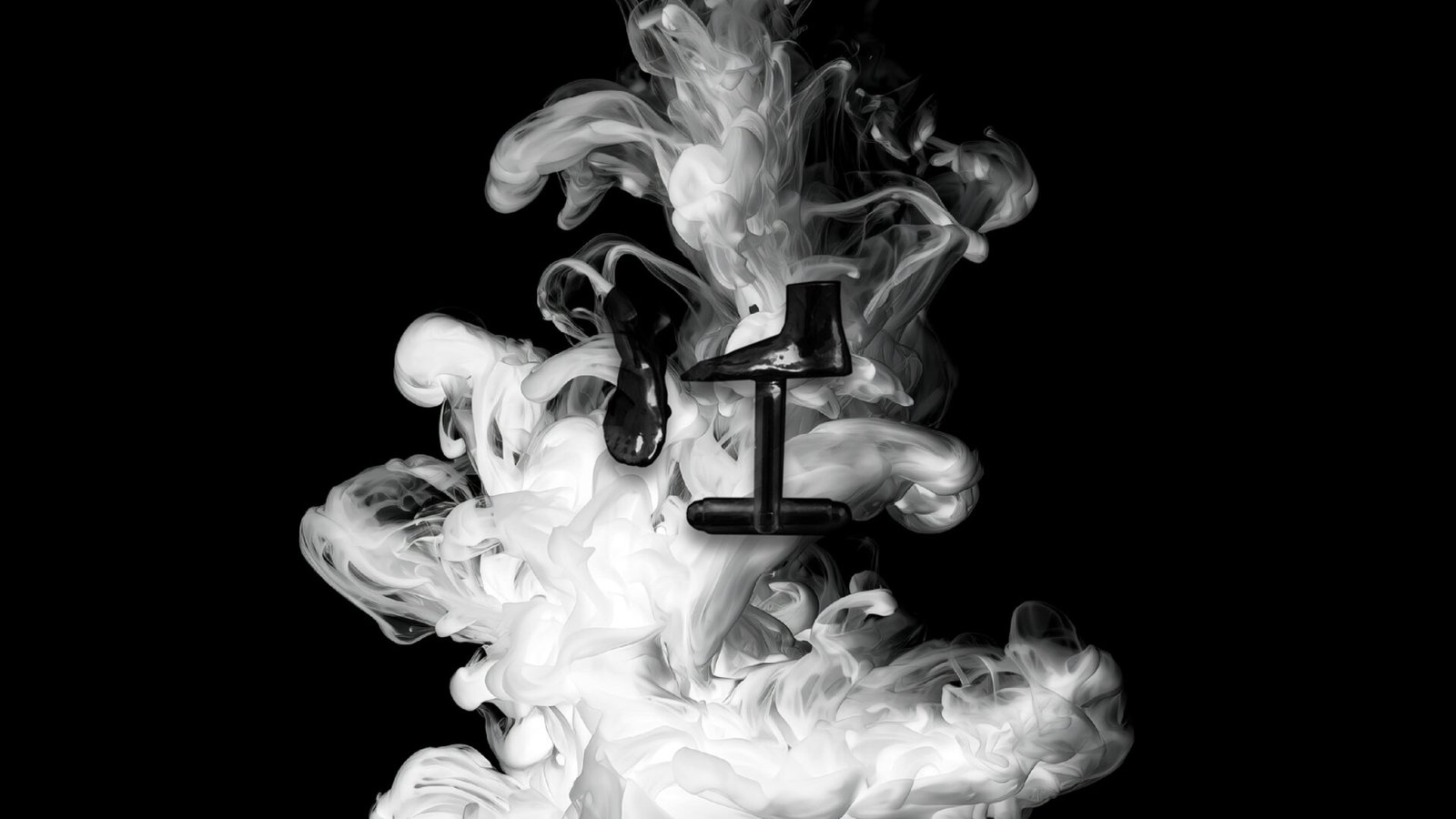
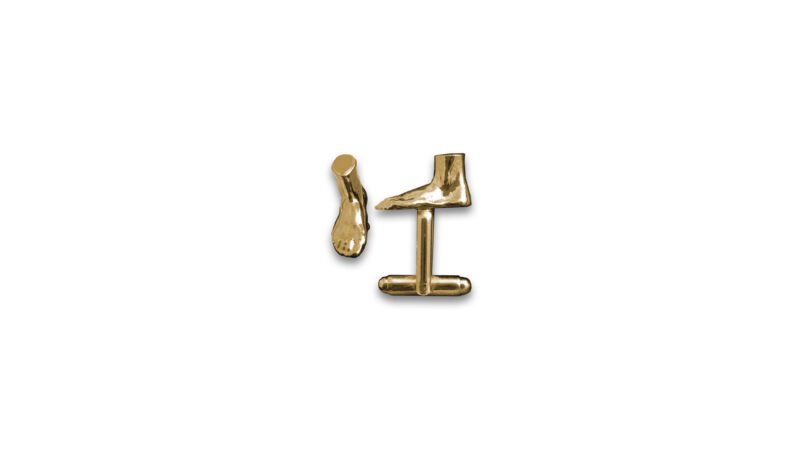
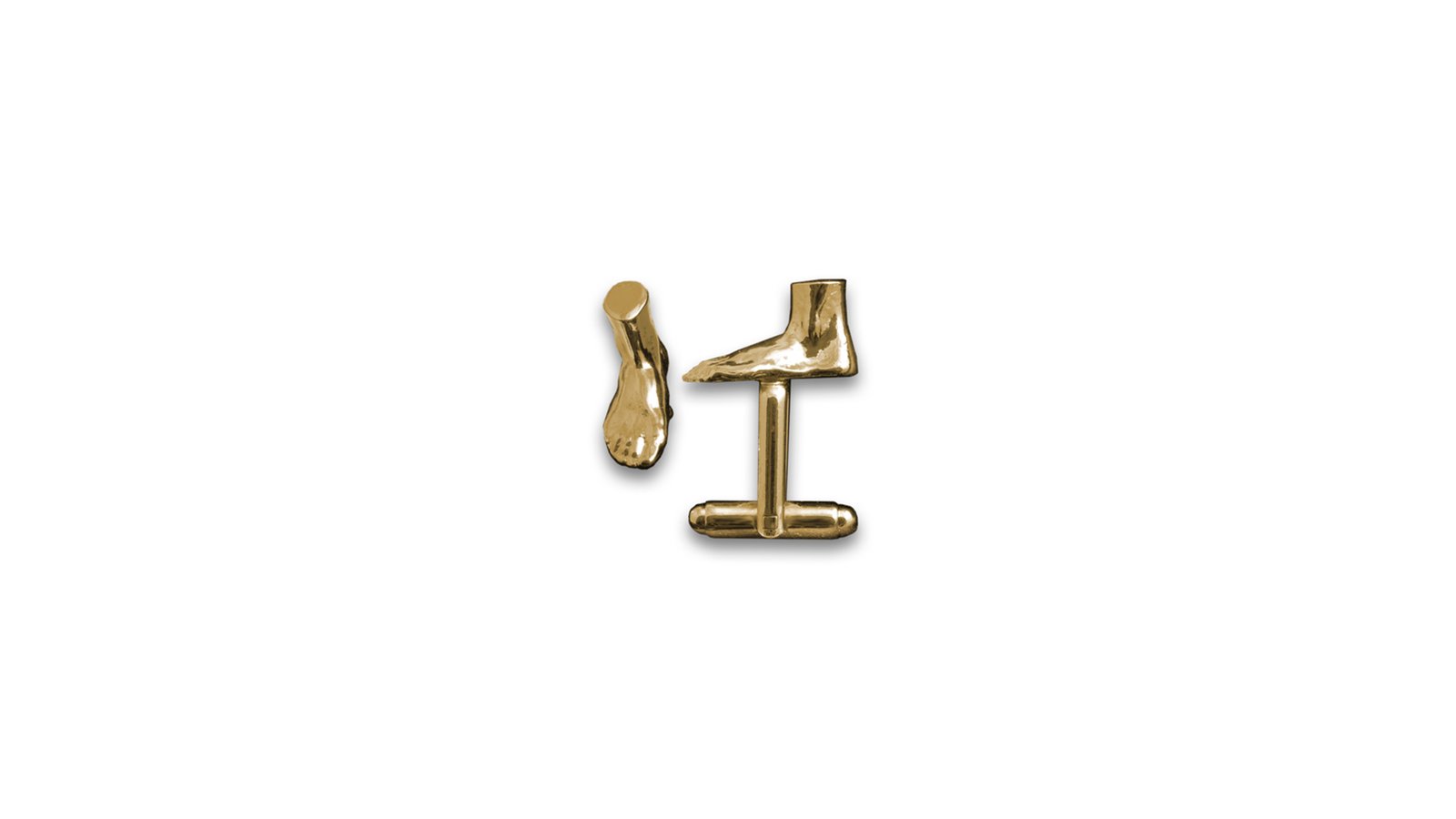
Second-grade master image of Milius Act I Piece I “Emergence I”, sculptural jewelry composition exploring form at the moment of rupture, material autonomy, and the genesis of structure.
DETAILS

MILIUS COLLECTION 

ACT 1 – EMERGENCE 
PIECE  1 FRACTURED MEASURE


Cufflinks – Sculptural jewellery object (wearable sculpture), mode – jewellery design

2015–2016, Florence, Italy

Author: Milan Stamenovic

Limited edition – closed chapter

Materials

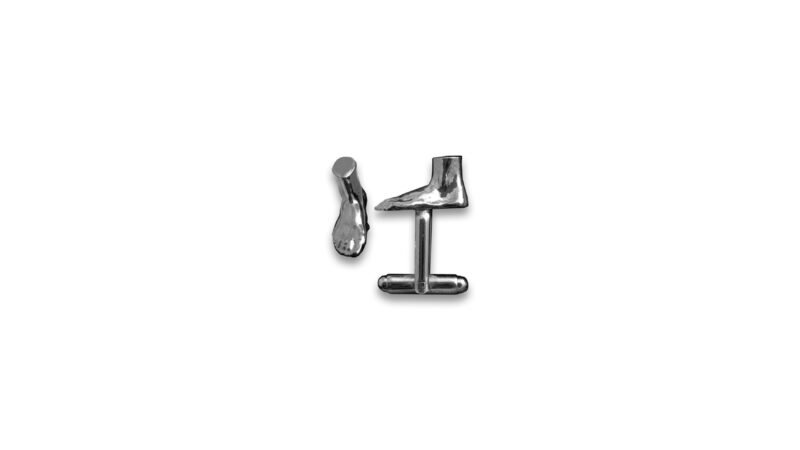
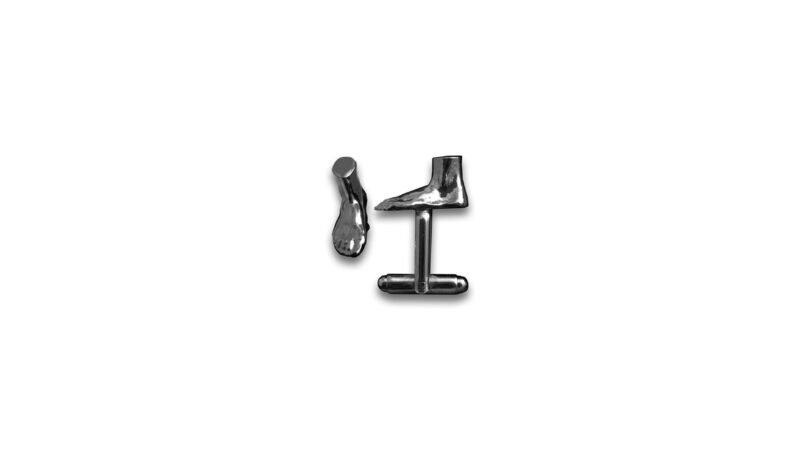
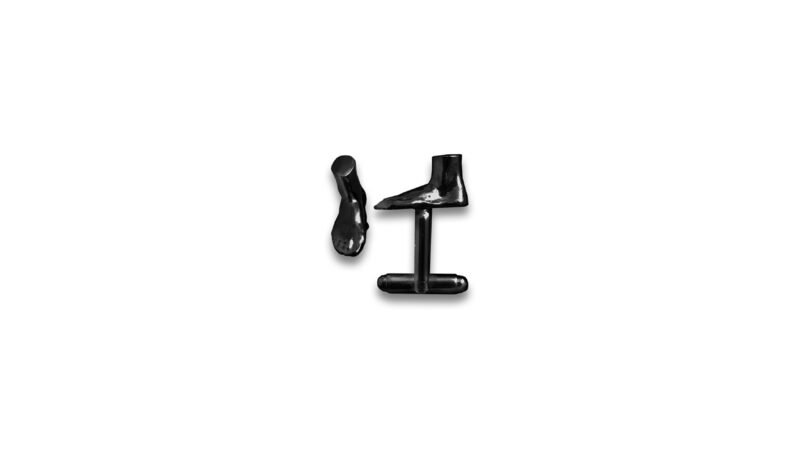
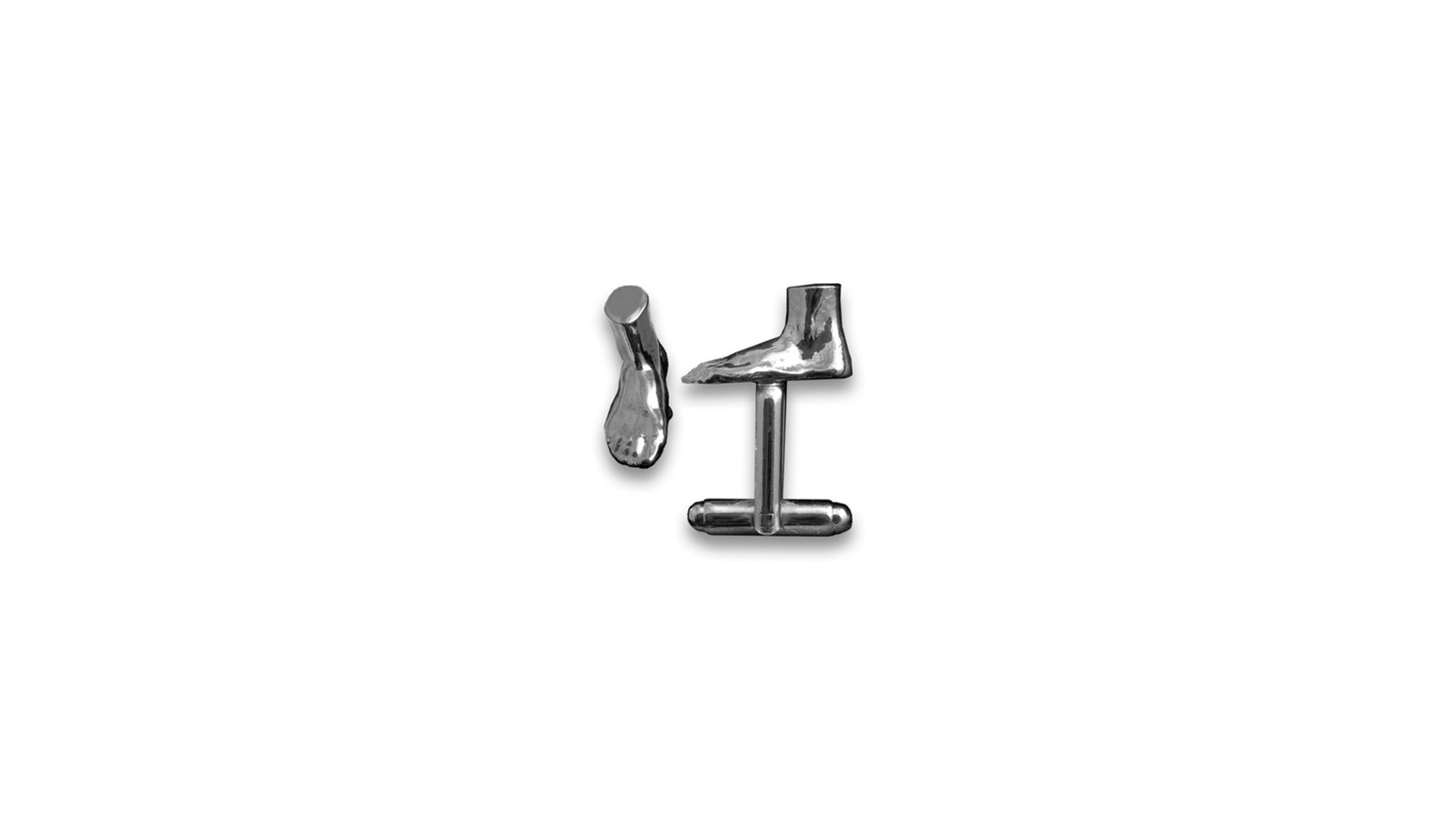
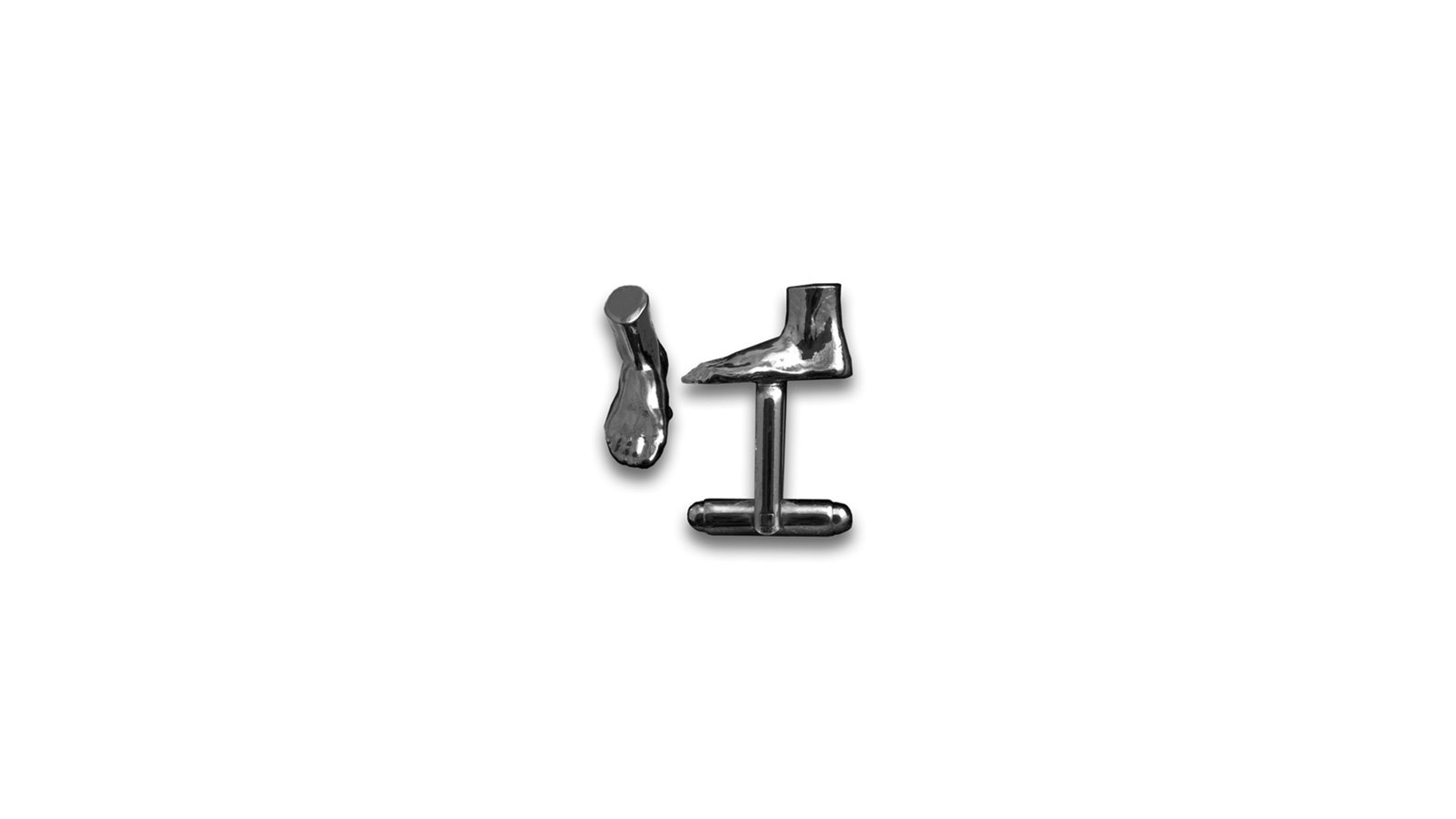
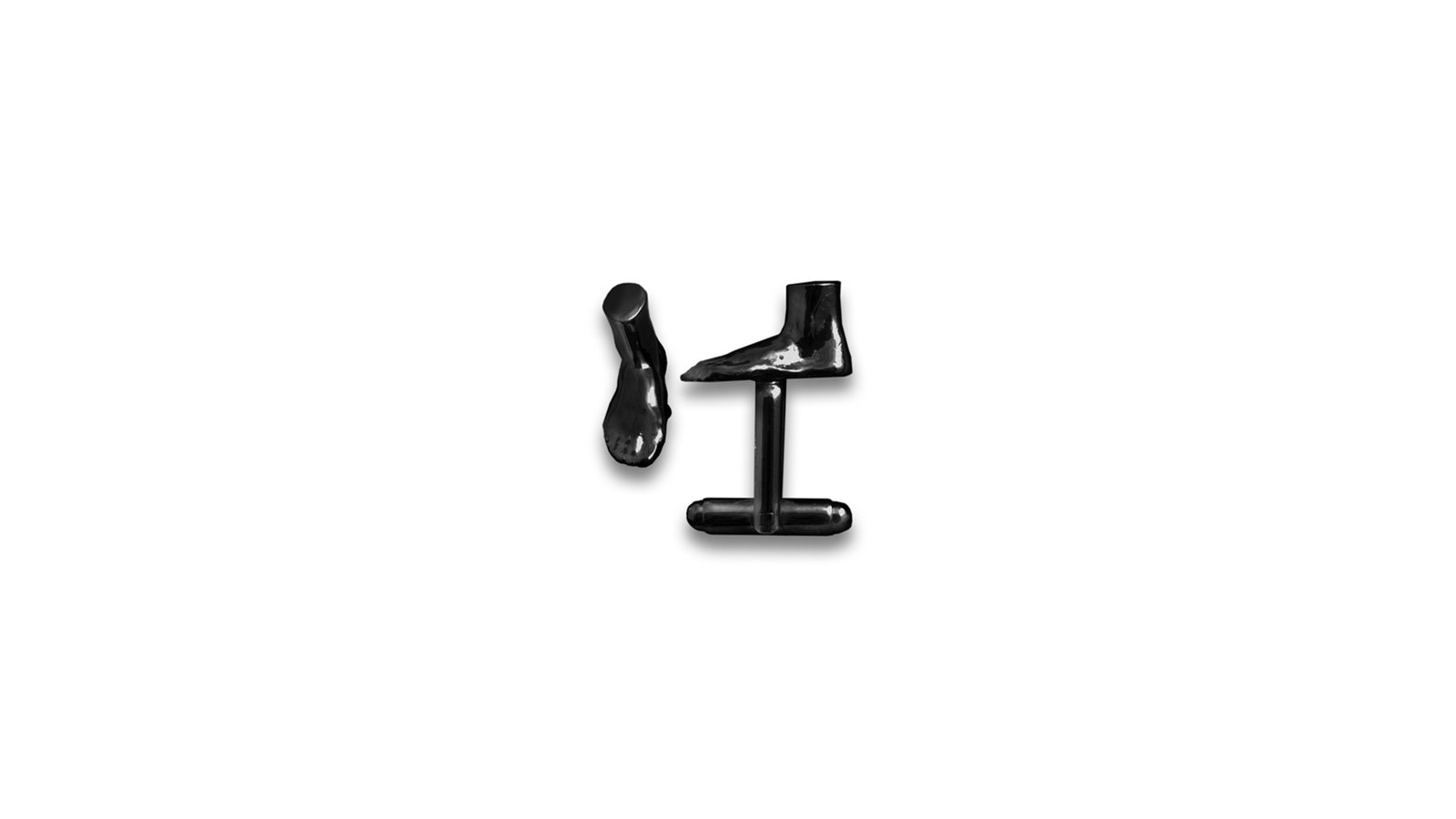
Cast and finished with controlled precision, Emergence I — Fractured Measure is available in gold plated, palladium plated, ruthenium plated, and black varnish finishes. The surfaces retain subtle irregularities, allowing light to articulate the tension between refinement and raw emergence. Each element is treated as an autonomous fragment rather than a unified whole, reinforcing the conceptual separation that defines the piece.

Availability 

Limited series production.
Each finish is conceived as a limited and controlled edition, developed within ACT I — EMERGENCE as the generative framework of the MILIUS collection.

Emergence I — Fractured Measure presents the body through absence rather than representation. Reduced to disjointed anatomical references, the object refuses symmetry and coherence, privileging interruption as a formative principle. The cufflink operates as a micro-architecture of imbalance, where function is retained but destabilized. This piece establishes fracture as the primary language of the collection—an origin marked not by completion, but by controlled disintegration.