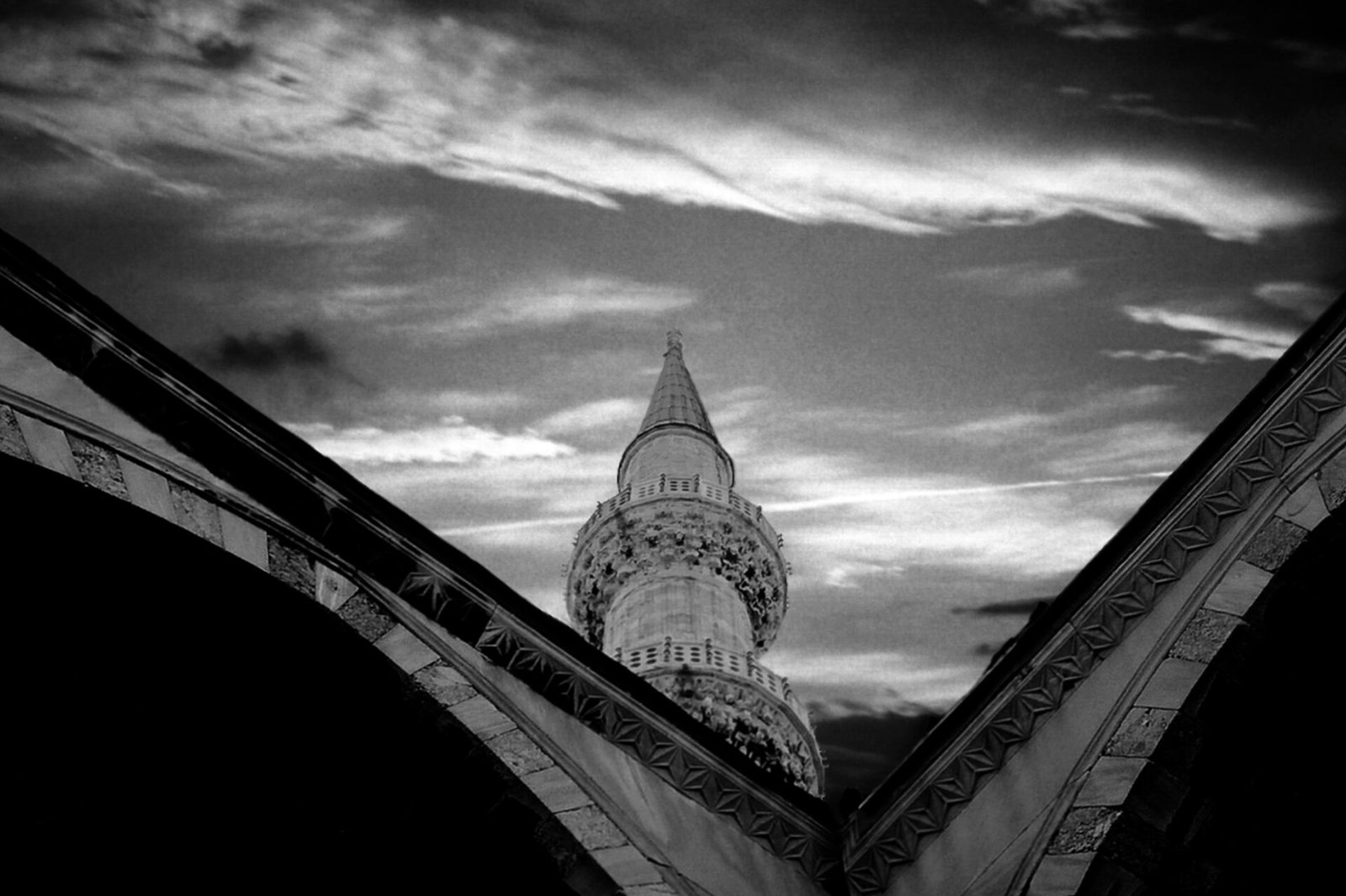
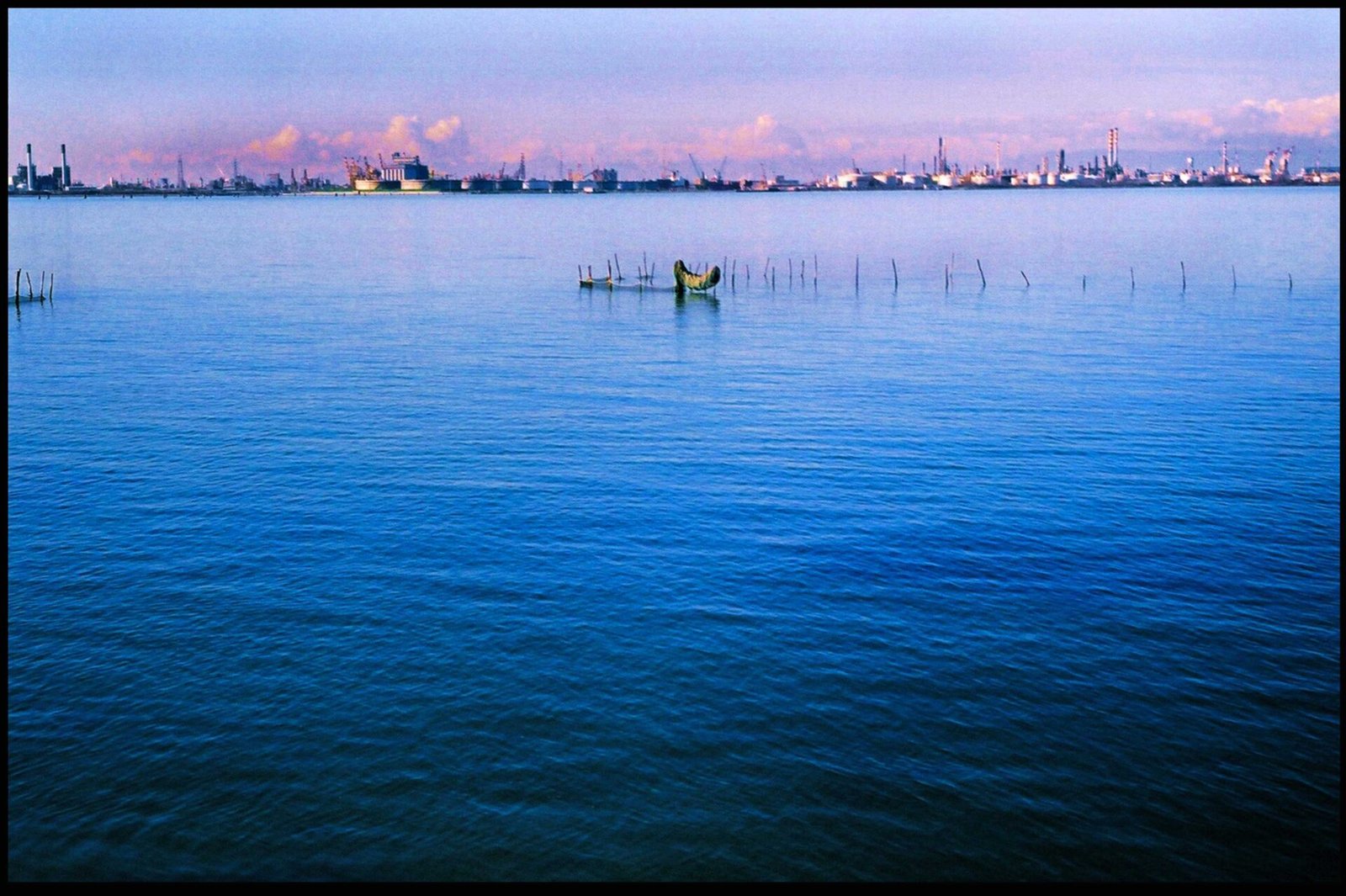
The Landscape Cycles reposition landscape photography not as depiction of place, but as a structural inquiry into absence, endurance, and post-human space.
Working exclusively with analog film, these works depart from documentary traditions and from romantic landscape aesthetics. The camera does not seek spectacle, nor does it construct nostalgia. Instead, it examines the conditions that remain when human agency recedes: architecture without function, ruins without narrative, horizons emptied of protagonists.
Within the history of photographic landscape — from nineteenth-century topographic surveys to post-war conceptual practices — landscape has often oscillated between documentation and ideological framing. These cycles intervene in that lineage by refusing both monumentality and reportage. What emerges instead is a calibrated, measured attention to spatial memory and temporal residue.
Across the series, landscape operates as counter-portrait. Where the human body functions elsewhere in the archive as a site of psychological and performative tension, here space itself absorbs that role. Stone, water, and built structures become carriers of duration. The image becomes less an observation than a structural proposition: that environments persist beyond the narratives imposed upon them.
The cycles trace a progression from ancient architectural remnants to contemporary industrial horizons, forming a sustained investigation into endurance, estrangement, and the ethics of inhabitation. The works do not aestheticise decay; they examine persistence.
Each series is presented through a curated selection rather than exhaustive display, maintaining conceptual precision and institutional clarity.