Where the world continues after humanity has ceased to matter.
landscape cycle 2003–2004
Landscapes of the Remembering World marks a decisive shift from ancient memory to post-human awareness. In this cycle, the landscape no longer preserves history as monument or ruin; it absorbs it, dilutes it, and ultimately outlasts it. Architecture, water, and spatial systems remain present, but their allegiance to human intention has dissolved.
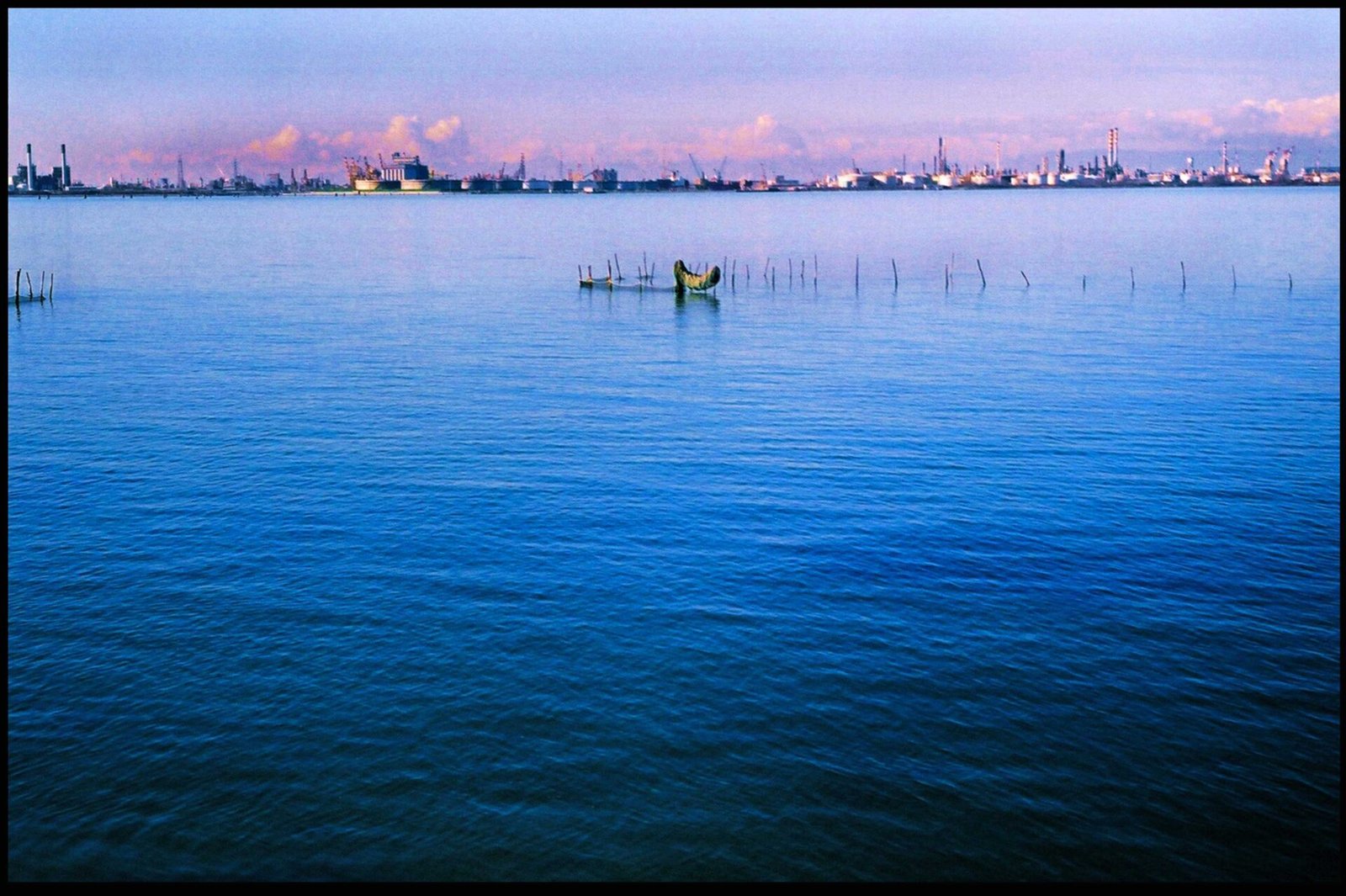
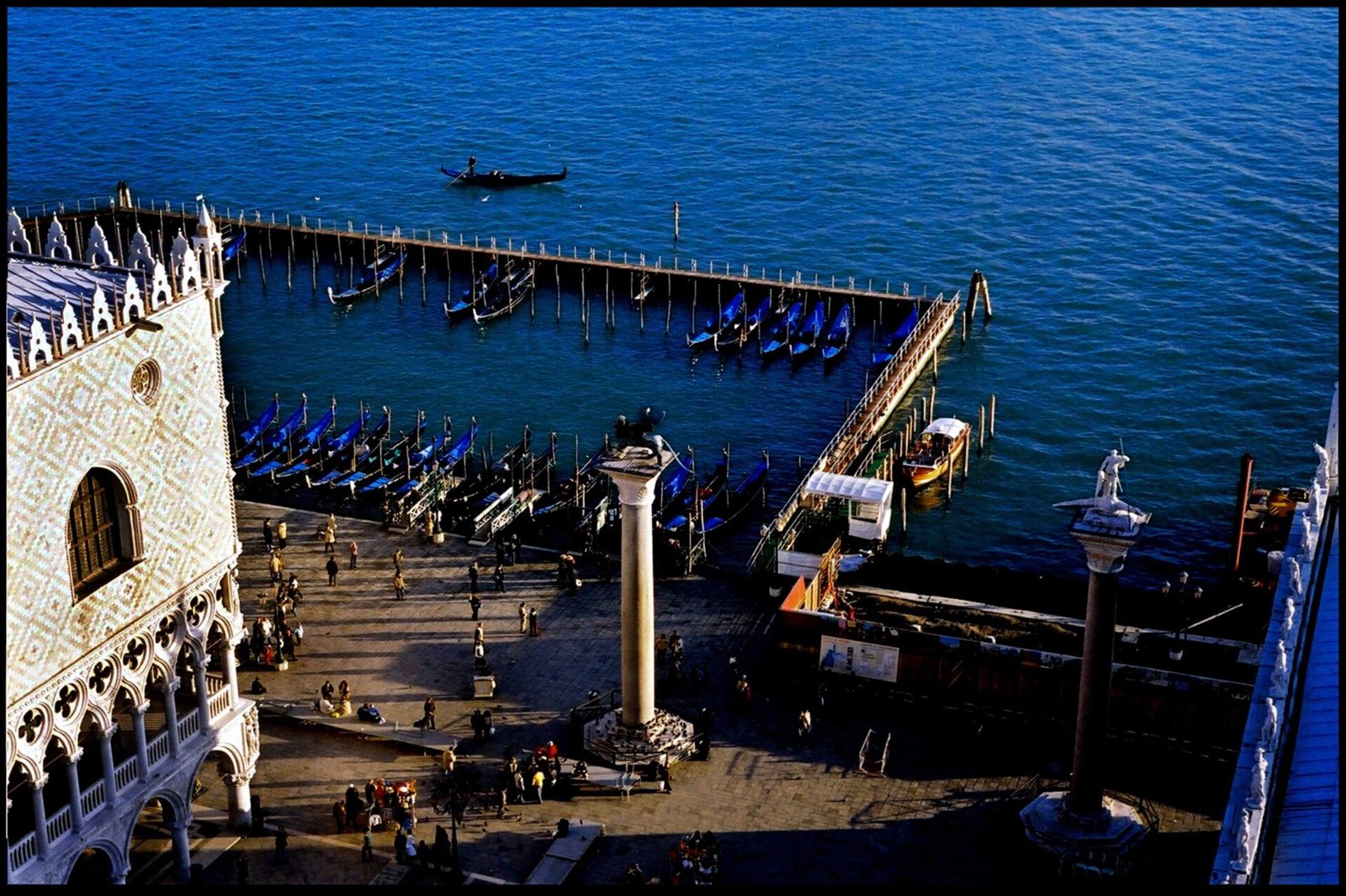
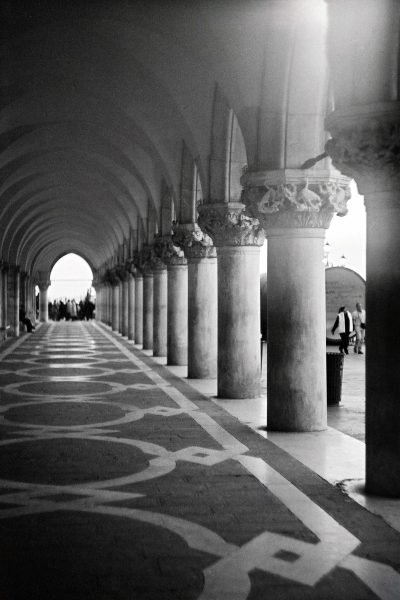
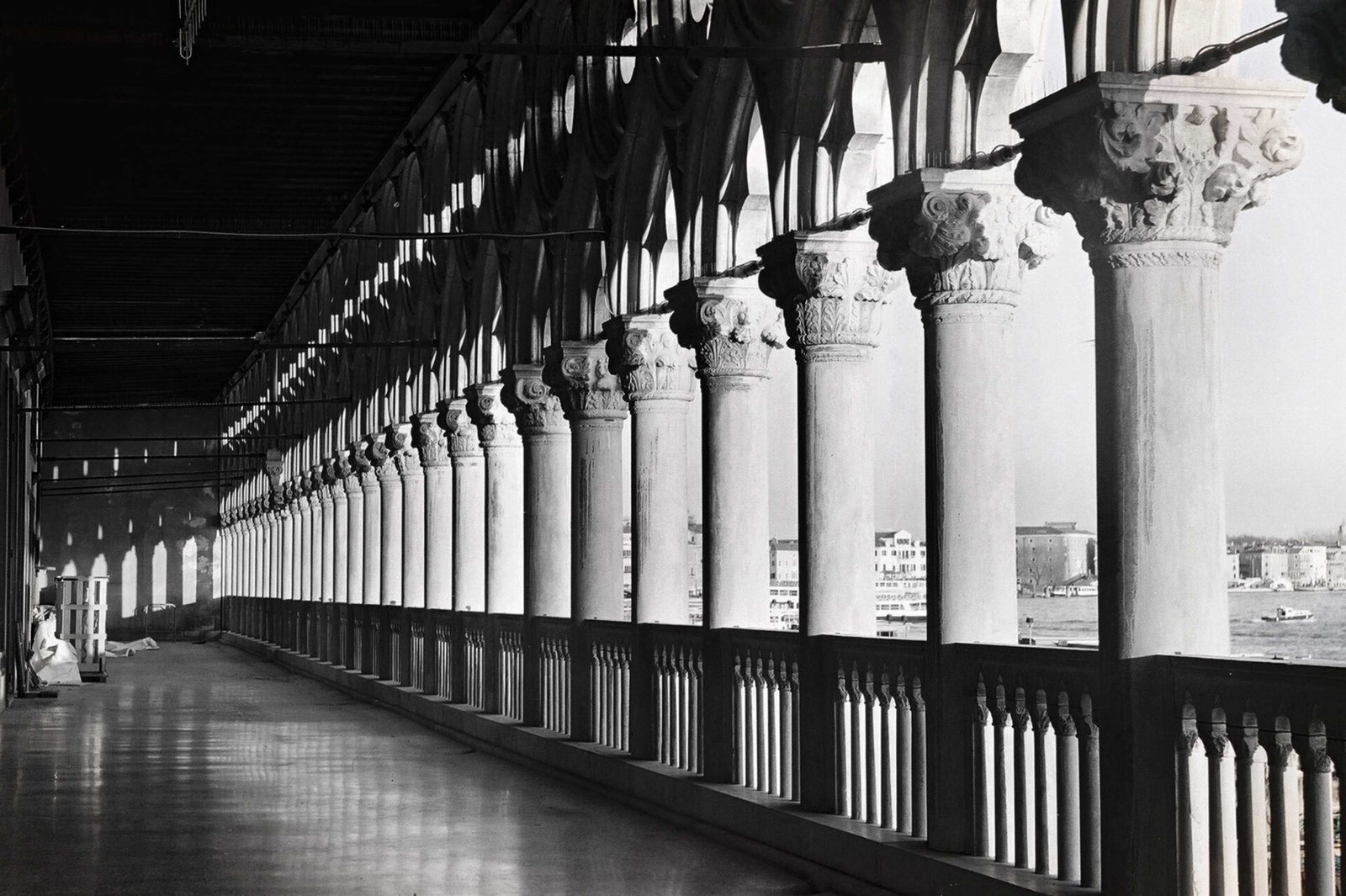
Photographed on analog film between 2003 and 2004, these images observe environments in which human presence has become marginal — reduced to traces, routines, or distant silhouettes. Cities, corridors, piers, and colonnades persist, yet they no longer center the human subject. Instead, they reveal a world that remembers selectively, privileging endurance over identity, rhythm over narrative.
Water plays a central role in this cycle as an agent of erasure rather than reflection. Unlike stone, which retains scars, the sea absorbs memory without record. Architecture responds by withdrawing inward, repeating itself, or pausing at thresholds it cannot cross. What emerges is a geography of suspension — spaces caught between function and autonomy, between habitation and abandonment.
These landscapes do not depict collapse. They depict continuation. They propose a world that has learned to proceed without asking for recognition, a world in which memory belongs not to names or events, but to scale, repetition, and silence.