LightDark


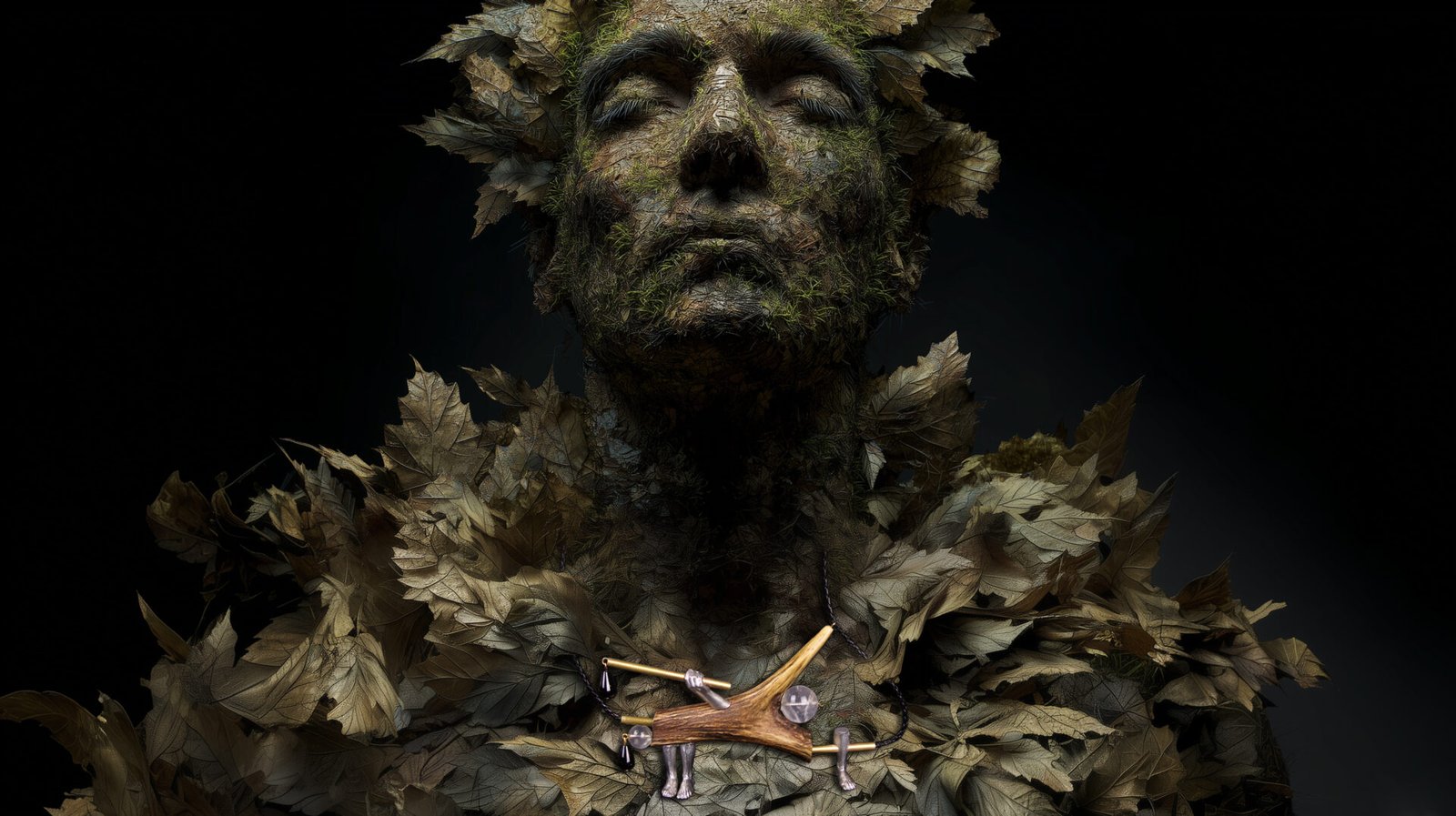
HUNTER COLLECTION


Applied anthropology expressed through wearable form.


HUNTER is not a narrative of pursuit, nor a metaphor of domination.
It is an exploration of orientation — the moment when human intention recognizes itself within natural forces.
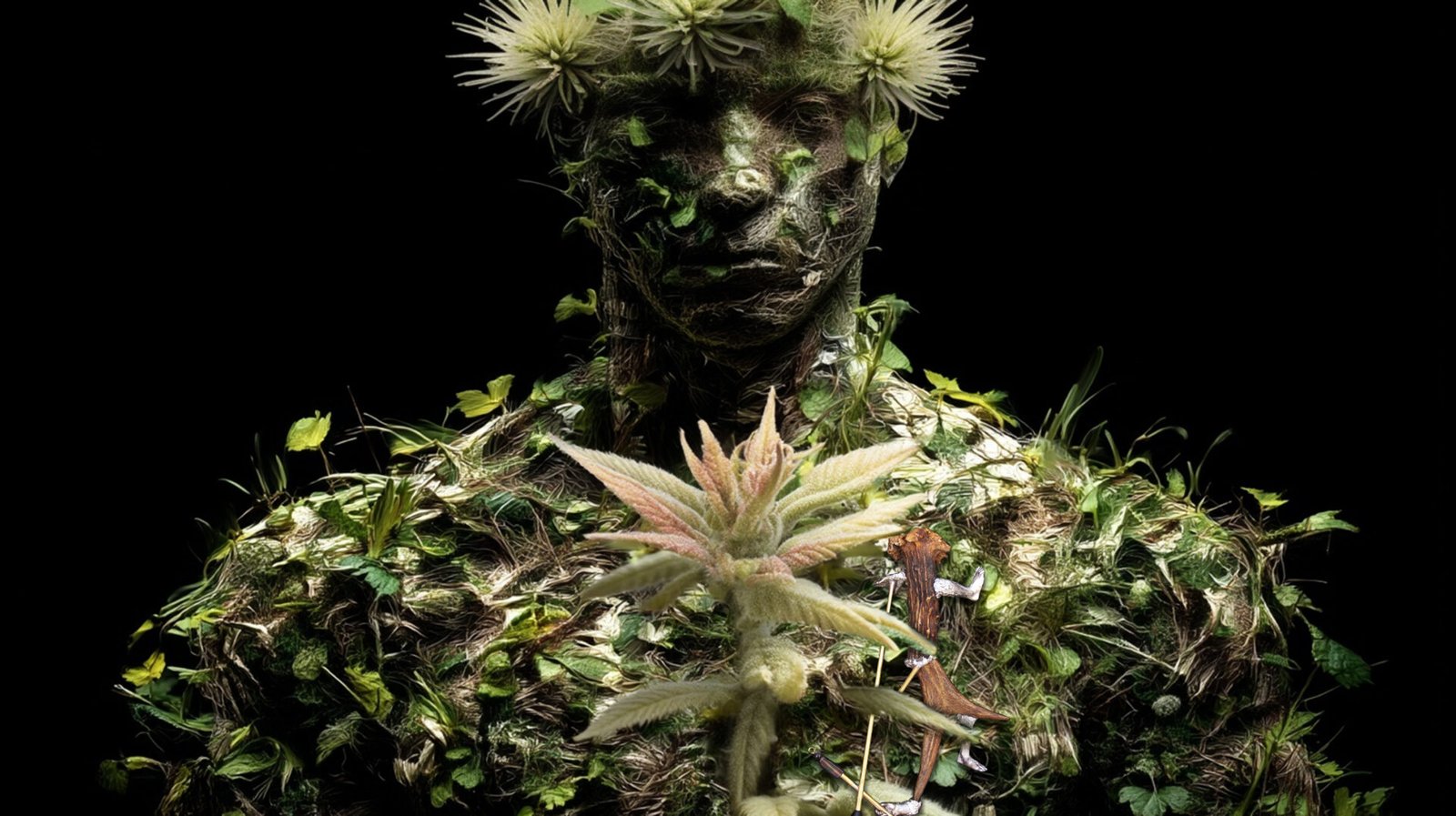
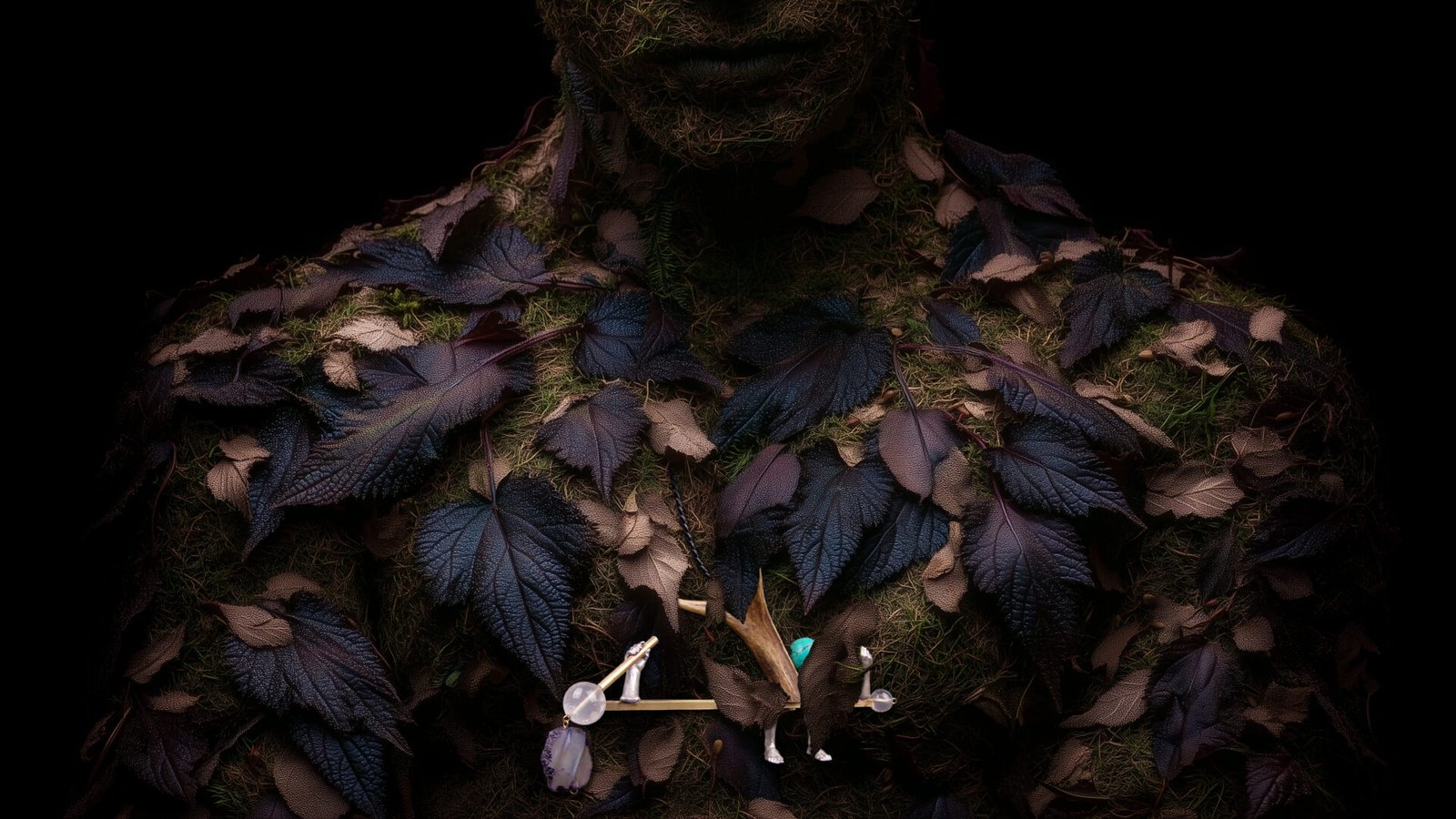
The collection operates in the space where instinct, material, and decision converge. Like water finding coherence through stone, form emerges through alignment rather than resistance. Each object records a state of awareness: not symbolic, not illustrative, but functional in meaning.
These works are not designed to represent the hunter.
They are designed to behave like one — responsive, measured, and inseparable from the body that carries them.

Material Provenance & Ethics

All organic elements used in the HUNTER collection are sourced through natural processes and extended observation over time.
Deer antlers employed in these works are naturally shed as part of the animal’s annual biological cycle.
No animal is harmed in the making of this collection.
Materials are found in nature and gathered over years, allowing time, environment, and chance to participate in the final form. The collection acknowledges material not as resource, but as collaborator.

Structure of the Collection

HUNTER unfolds in five Acts, each representing a distinct phase in the alignment between instinct and intention.
The Acts follow a primordial numerical order — the oldest system known to humankind — grounding the collection in pre-symbolic cognition and evolutionary memory. Progression here is not linear advancement, but deepening coherence.
Each Act is introduced by a master visual sequence and accompanied by a focused curatorial text. Together, they form a continuous arc rather than isolated chapters.
HUNTER unfolds through a sequence of acts, each marking a psychological threshold rather than a narrative chapter.


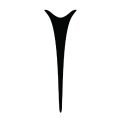
Cuneiform numeral for one rendered as a primitive anthropological symbol in black on a light background.

act 1

The moment of emergence.
Instinct appears before language, before certainty.
Form is tentative, responsive, awake.
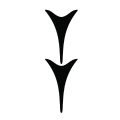
Cuneiform numeral for two displayed as an ancient counting symbol emphasizing duality and relation.

act 2

The moment of contact.
Intention encounters resistance.
Direction sharpens through awareness, not force.
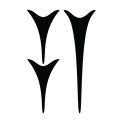
Cuneiform numeral for three shown as an early numerical form composed of repeated primitive marks.

act 3

The moment of alignment.
Human idea and natural material begin to recognize one another.
What persists is not dominance, but coherence.
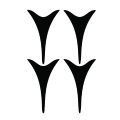
Cuneiform numeral for four presented as a structured grouping of primitive marks.

act 4

The moment of consequence.
Choice acquires weight.
Form carries responsibility as part of its structure.
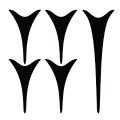
Cuneiform numeral for five rendered as an ancient symbolic count representing completion of a primary cycle.

act 5

The moment of return.
What has been shaped re-enters continuity.
The object no longer asserts — it endures.
HUNTER does not ask to be read quickly.
It asks to be worn, observed, and understood over time.
Each piece functions as a condensed anthropological gesture — an object where material memory and human decision are held in balance, close to the body, where meaning has always been carried.