LightDark
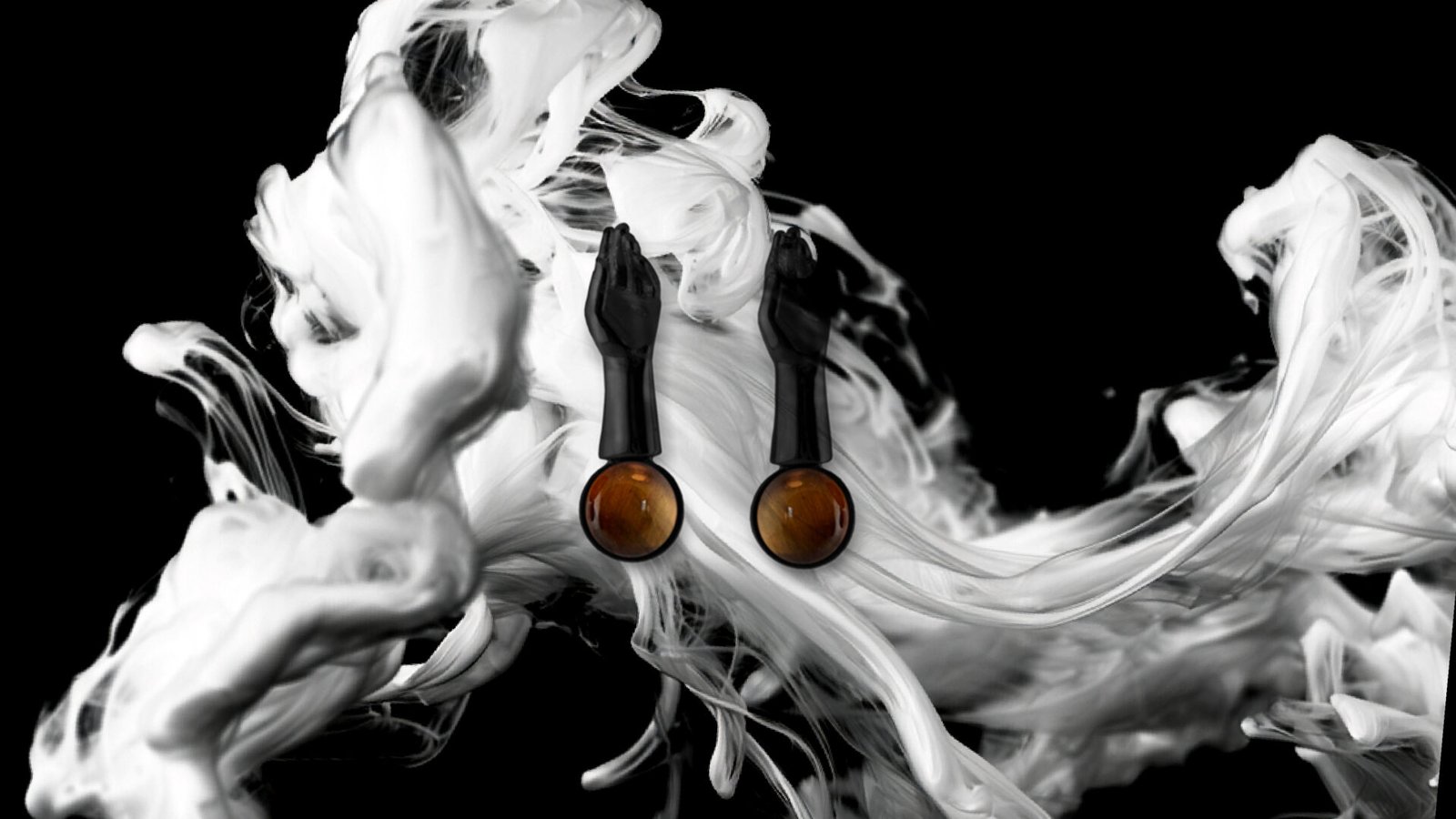
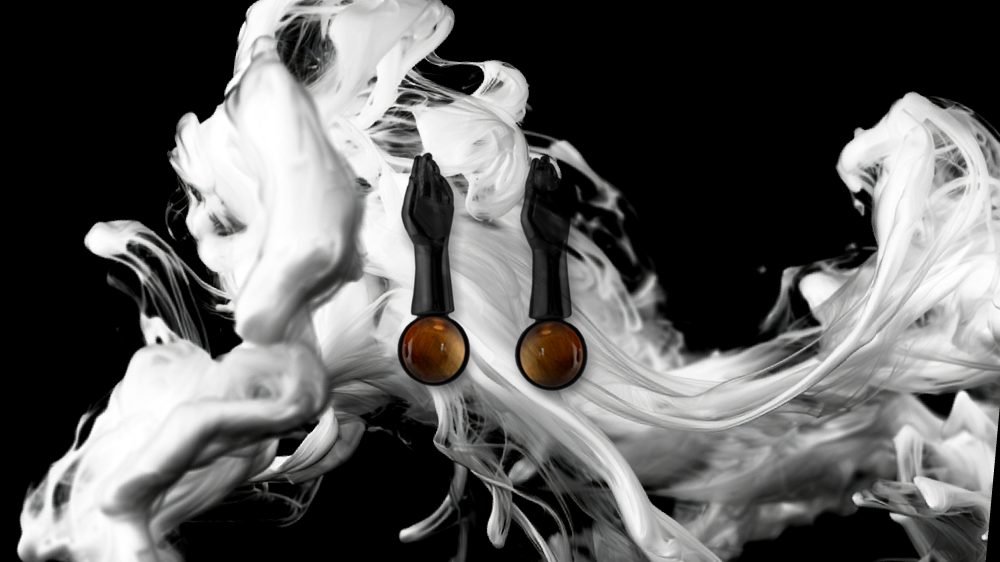
Terminal Gesture — secondary master image of sculptural jewellery piece from Act II Transition of the Milius Collection, gesture marking the end of transfer, by Milan Stamenovic

MILIUS COLLECTION
ACT II — TRANSITION


Form does not evolve smoothly.
It is interrupted.

Act II — Transition marks the moment where emergence can no longer remain unresolved, yet consequence has not fully taken hold. What appears here is neither origin nor outcome, but disruption—the fracture that forces reorientation.
Transition is treated as a structural disturbance. Continuity is broken. Direction is questioned. Forces collide without resolution. The works in this act occupy unstable territory, where intention is interrupted mid-gesture and must reassert itself under altered conditions.
Material is no longer tentative, but not yet definitive. Elements shift, detach, realign. Connections are provisional. Balance is temporary. Every form holds the trace of what it interrupts and anticipates what will follow.
Act II does not stabilize meaning.
It destabilizes continuity.
What emerges here does not pass cleanly forward.
It fractures—and in doing so, makes consequence unavoidable.
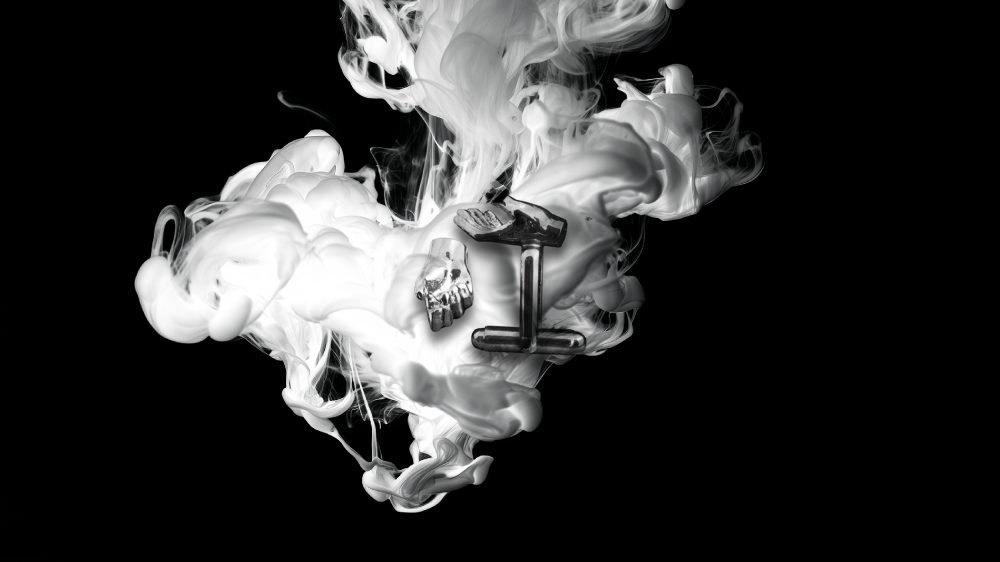
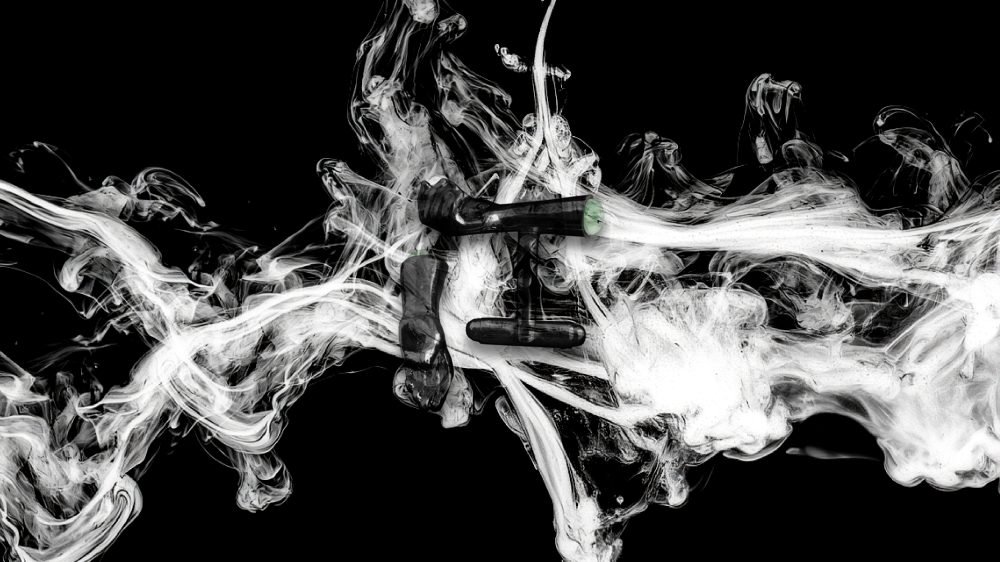
INTERRUPTION I

Cufflinks (sculptural-object), mode – jewellery design
Florence, 2015–2016

Continuity is broken before it can resolve.


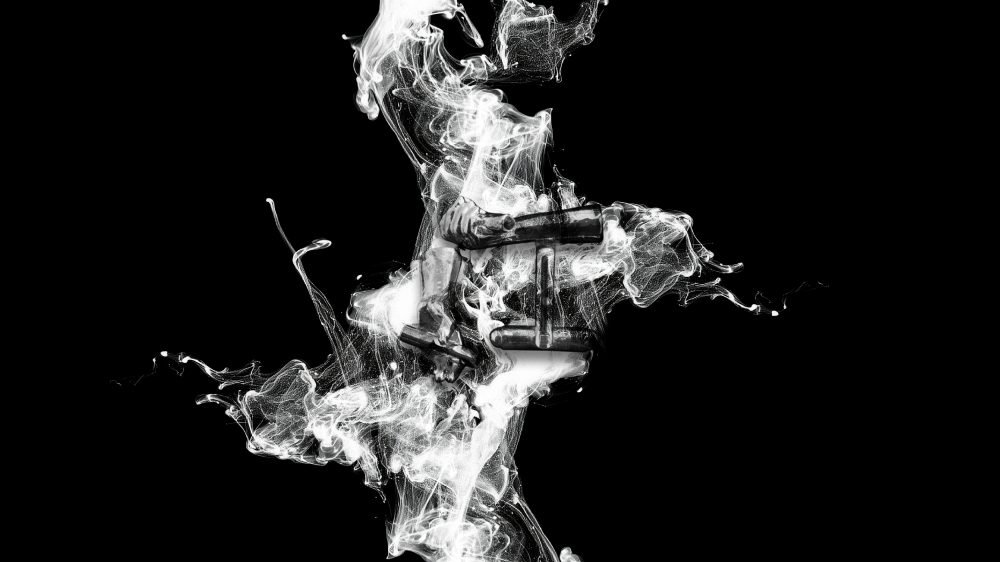
CONDUIT I

Cufflinks (sculptural-object), mode – jewellery design
Florence, 2015–2016

Force continues only by passing through constraint.

RETENTION POINT I

Cufflinks (sculptural-object), mode – jewellery design
Florence, 2015–2016

Movement is sustained by being held.

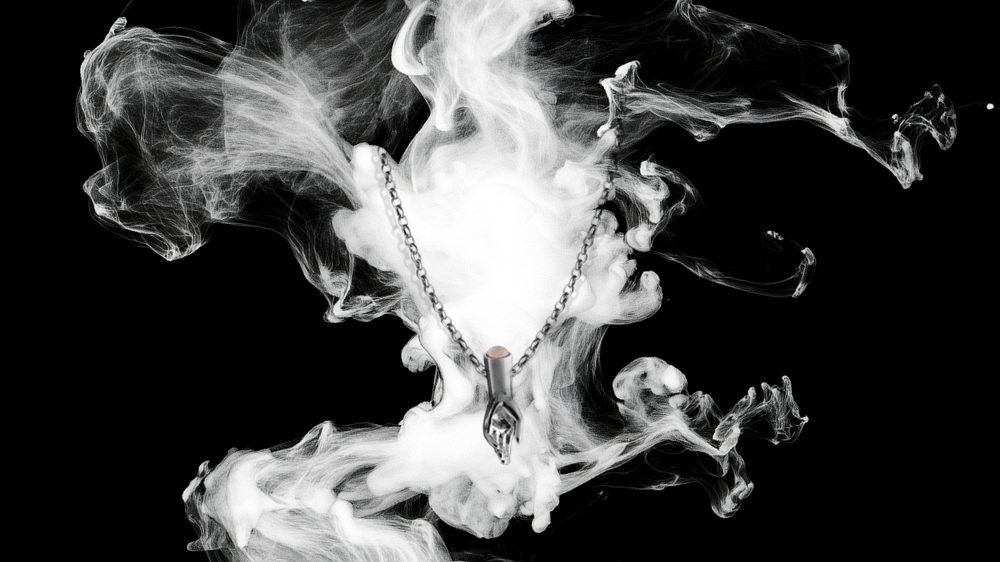
TRANSITION

Pendent (sculptural-object), mode – jewellery design
Florence, 2015–2016

Force abandons origin without reaching conclusion.


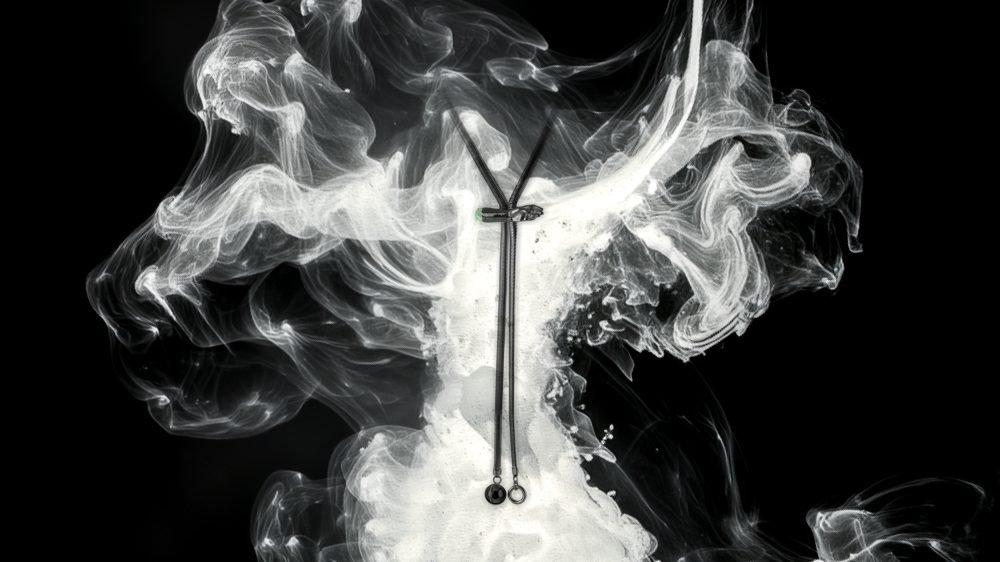
TENSION HELD

Necklace (sculptural-object), mode – jewellery design
Florence, 2015–2016

Force remains present without discharge.

TERMINAL GESTURE

Earrings (sculptural-object), mode – jewellery design
Florence, 2015–2016

The closing motion of transition.