On Performance, Persona, and the Cost of Visibility
portrait cycle 2004–2005
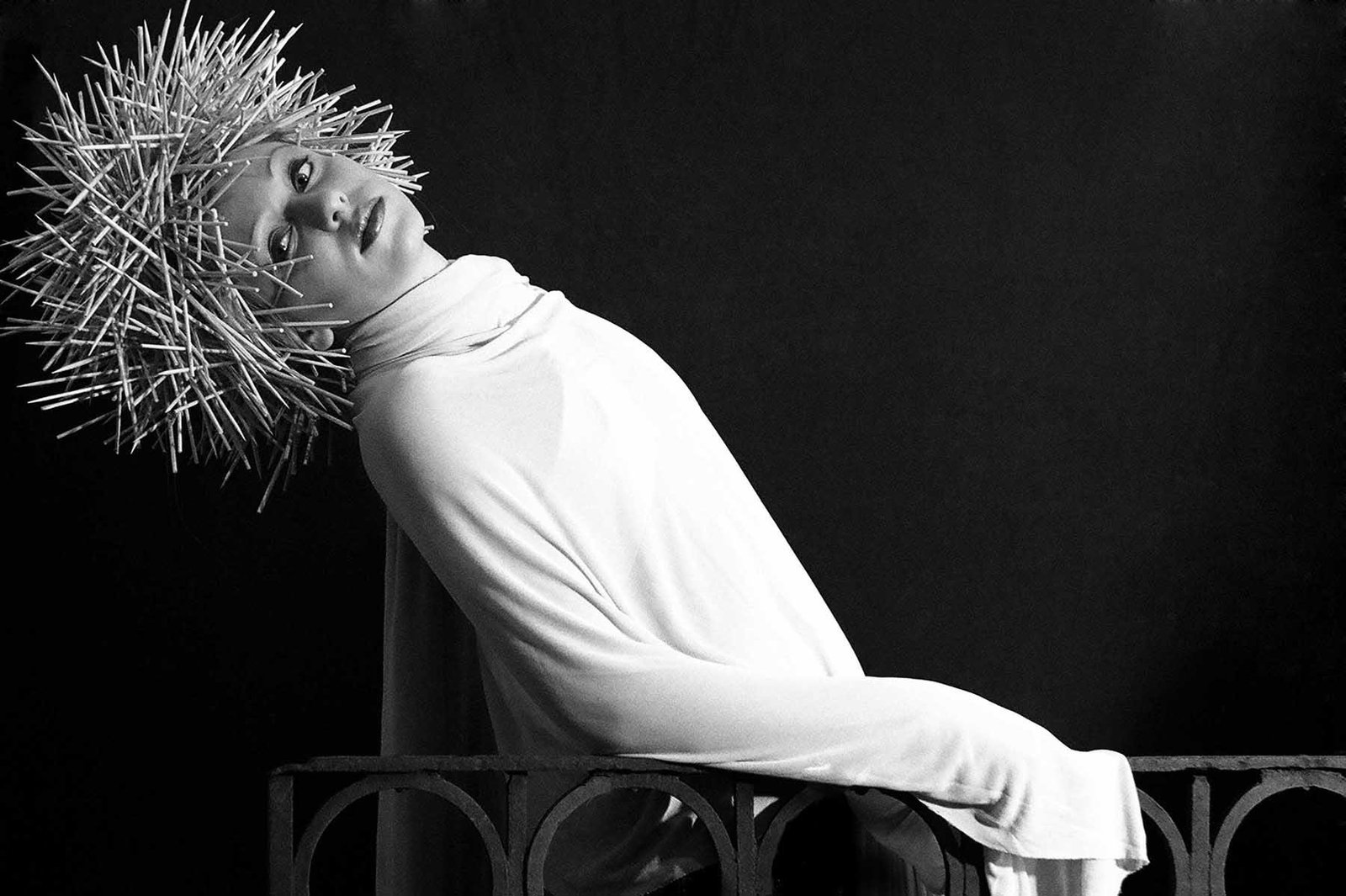
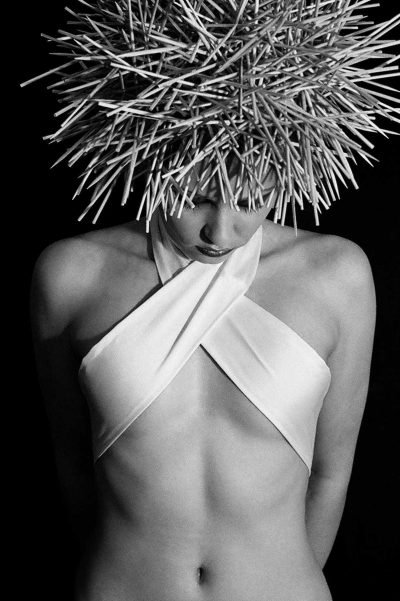
The Erosion of the Authentic Self examines the slow violence of visibility: the way identity, once repeatedly presented, begins to detach from its origin and persist as performance.
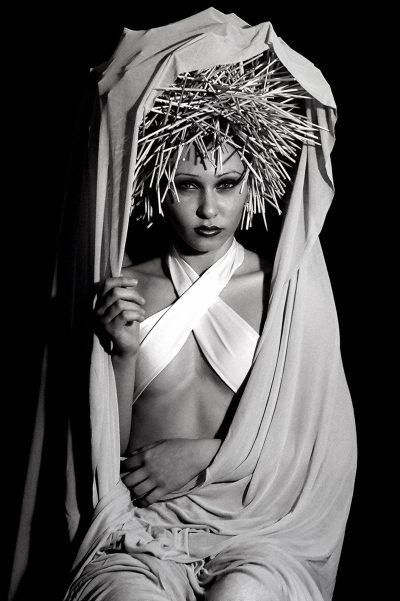
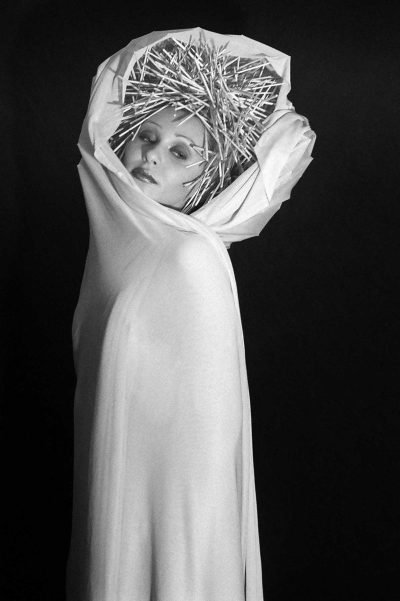
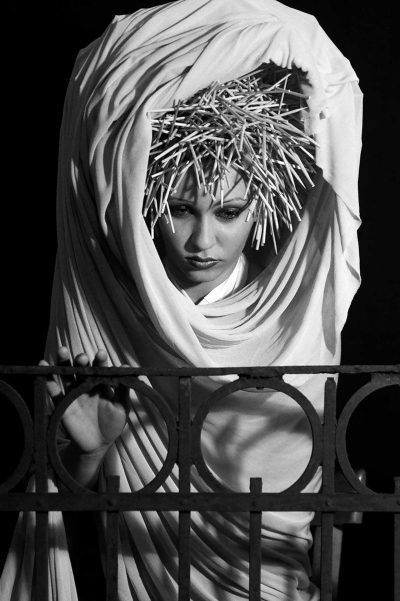
Across this series, the body appears adorned, framed, elevated, and staged—yet increasingly distant from itself. Beauty is not celebrated here; it is magnified, formalized, and rendered heavy. Gestures harden into poses. Expression becomes rehearsal. What begins as presence gradually transforms into role.
These portraits do not depict disguise, but endurance. They trace the moment when identity is no longer inhabited freely, but maintained under expectation—when the self continues performing even after the audience has disappeared. Fabric, posture, and ornament function not as symbols of transformation, but as instruments of pressure, shaping the body into coherence at the cost of intimacy.
Rather than exposing a hidden truth beneath the surface, the series insists on a more unsettling proposition: that prolonged visibility erodes authenticity not through concealment, but through repetition. The self does not vanish—it stabilizes into something recognizable, consumable, and ultimately estranged.